

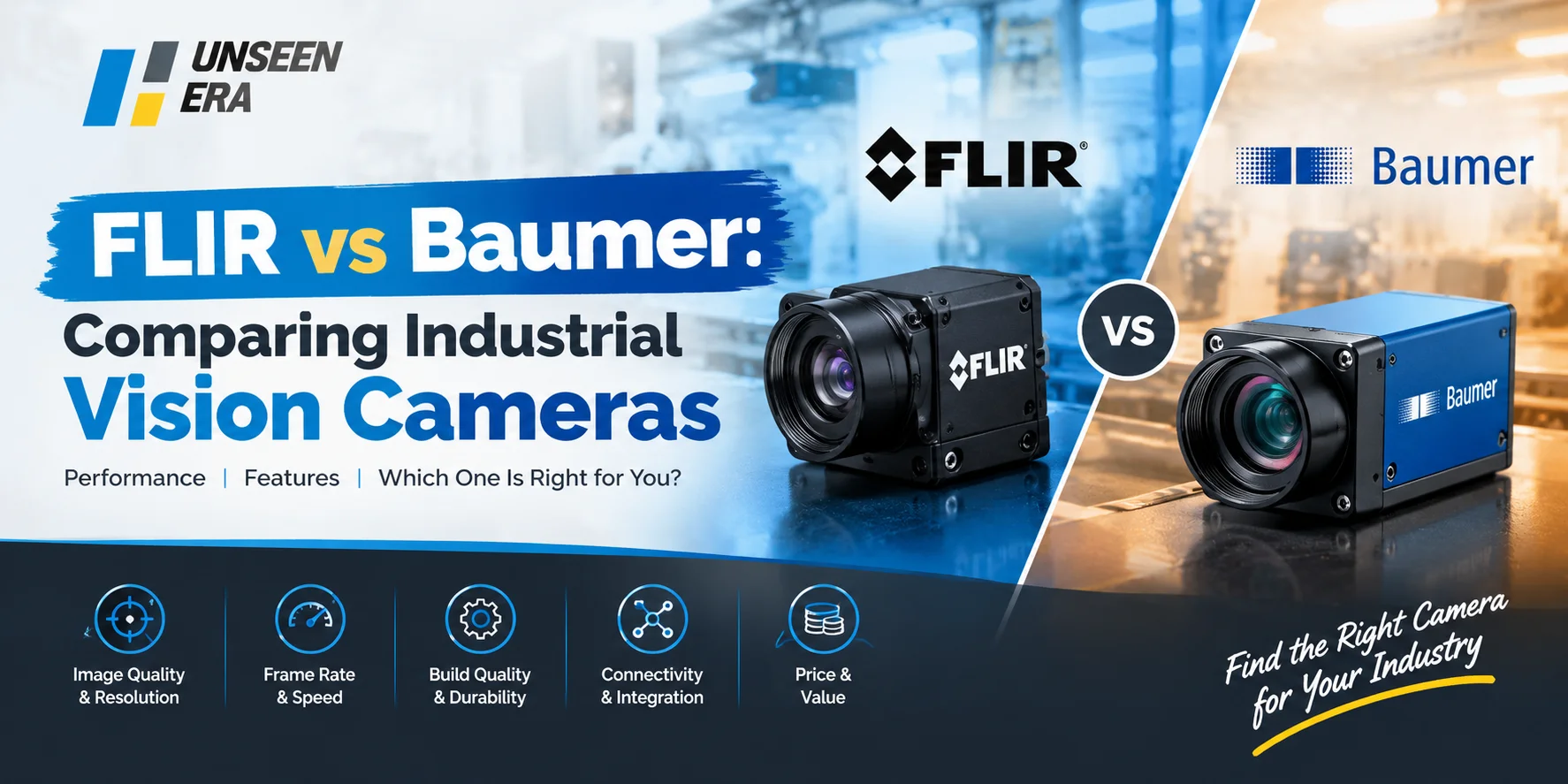
When it comes to choosing the best industrial vision cameras, it can be confusing because lots of options are available in the market. If you are also confused, you can consider the well-established brands’ cameras like FLIR and Baumer. But every company offers different industrial imaging solutions, and the camera ranges are especially designed around different types of machine vision and inspection requirements.
Most industrialists also ask one question: which camera should you choose for your industrial application?The answer depends on your chosen brand name, and more on what you actually need the camera to do. Also, your application image type, resolution, speed, interface, environmental conditions and inspection requirements should be considered before making the decision.
In this detailed article, we will provide you in depth information about FLIR vs Baumer industrial vision cameras, explain key differences and help you to understand which type of camera may fit different machine vision applications.
What Are Industrial Cameras?
Before comparing the FLIR and Baumer cameras, you need to understand which industrial vision camera actually works, why, and why to use it. The best industrial camera is implemented for capturing images of products and machine components; process and vision software can analyse them. Industrial cameras are commonly used for automated inspection, quality control, measurement, object detection and identification.
This is unlike a normal digital camera; industrial vision cameras are especially designed to be part of an automation or machine vision system. Smart industrial cameras need to provide consistent image capture with reliable communication. Industrial cameras come with features such as:
- High-resolution image sensors
- Rolling or global shutters
- High speeds of frames
- Connectivity of GigE Vision
- USB3 Vision connectivity
- Camera Link
- I/O and triggering
- High-dynamic-range imaging
- Adjusting several ROIs
- Monochrome or colour images
- Thermal imaging
- Polarization imaging
Let’s understand FLIR Industrial Vision Cameras.
The FLIR camera is widely used for thermal imaging, and that remains one of its major strengths in industrial applications. This thermal machine detects infrared radiation and translates temperature differences into images. That makes it a useful and important part of the inspection.
Instead of a normal visible camera showing you that the component is physically damaged. A thermal camera provides you with additional information about your machinery overheating. The FLIR thermal vision cameras include the A40, A50 and A70, as well as thermal cameras designed for monitoring and quality control.
Where can FLIR Camera’s be useful?
- Thermal Inspection
- Equipment Monitoring
- Predictive Maintenance
- Process Monitoring
- Quality Assurance
- Electrical Inspection
- Manufacturing Processes
- Heat Defect Detection
- Industrial Automation
- Research and Development
Thermal imaging can serve applications in which temperature information is necessary, providing information that a typical camera based on visible light cannot obtain.
What Are The Baumer Industrial Vision Cameras?
The Baumer industrial vision camera stands for a broad industrial automation and machine vision approach that covers a large section of industrial cameras and vision products. Their CX series comes with 0.4 MP to 24 MP and up to 318 fps, with GigE Vision and USB3 Vision interfaces. This camera also offers rolling shutter models and various customised options.
This camera offers you high-resolution or high-speed image capturing; Baumer’s LX series goes considerably further.
Where Can Baumer Cameras Be Used?
The Baumer industrial cameras may be utilised in the following applications:
- Automation quality control
- Measurement control
- Control of finished products
- Inspection of electronic components
- Inspection of packaging
- Decoding of identification and production codes
- Automation in manufacturing processes
- Use in robots
- High-speed control
- Imaging in scientific or research laboratories
In addition, Baumer supports standard technologies in machine vision, including GigE Vision, USB3 Vision and GenICam, facilitating integration with software from other companies.
Which One Is Better For Thermal Inspection: FLIR or Baumer?
When it comes to understanding thermal imaging, FLIR is definitely worth noting as it is a major player in the commercial field of imaging. FLIR’s thermal imaging cameras are aimed specifically at industries where temperature measurements are important for monitoring processes and ensuring quality levels.
In practice, thermal imaging can be used to detect temperature variations in:
- Electrical systems
- Mechanical systems
- Manufacturing processes
- Hot equipment
It is important to know that an ordinary camera and an infrared camera do not provide interchangeable types of information.
Therefore, if your process requires heat detection, comparing thermal imaging solutions is something you should start with.
What Are The Machine Vision Applications of FLIR vs Baumer?
Both cameras can be used in industrial imaging environments, but the specific camera should be chosen based on the industrial inspection requirements and problems. Both cameras are used in:
- Automotive Manufacturing
- Electronics industry
- Packaging industry
- Pharmaceuticals industry
- Food and beverage industry
- Predictive maintenance
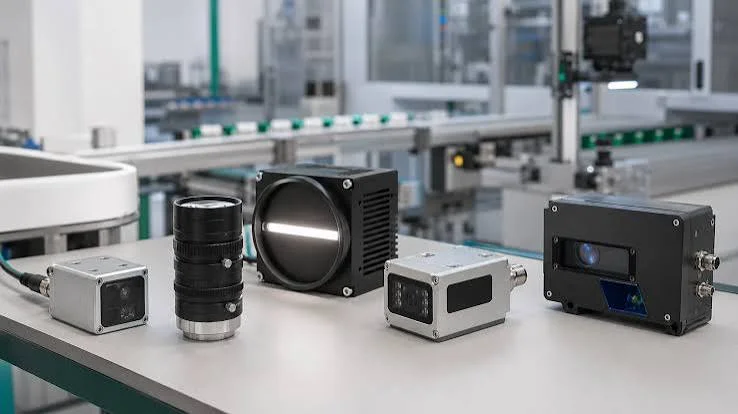
What Are The Important Factors To Consider Before Buying An Industrial Vision Camera?
If you are still not sure which industrial camera is best for your industry, you need to ask these questions to yourself:
- What are you inspecting
- How fast do your conveyor lines work
- How much resolution do you need
- What lighting will you use
- What system of light interference does your industry support
- Do you need thermal imaging
- What are the environmental conditions required for your business
Why Choose Unseen Era For Industrial Vision Solutions?
When it comes to establishing a dependable machine vision system, deciding on an industrial camera is just a fraction of the whole process. The camera has to work seamlessly with the lens, lighting, software, processing hardware and automation system. Unseen Era offers a range of solutions for industrial automation and machine vision based on specific industrial needs. Our solutions include industrial cameras, smart vision cameras, vision sensors, as well as industrial vision lights.
We can describe the technical needs of your application and help you select suitable vision components instead of just picking a camera based on its brand or megapixel. count
If you are in search of machine vision cameras or automating an inspection line, take a look at Unseen Era’s offer and consult our team about your specific application needs. Here are other smart industrial products offered by Unseen Era:
- Industrial Sensors
- Safety Products
- Wireless Products
- Tower Lights
- Work & Inspection Lights
- Smart Machine Vision Sensors & Cameras
- Barcode Scanner & Readers
- Customised Vision Solutions
- Vision Lights
- Camera Lenses
- Energy Management System
- Production Management System
- Predictive Maintenance System
- Downtime Monitoring
People Also Ask About FLIR vs Baumer: Comparing Industrial Vision Cameras
Q.1 How does camera resolution impact machine vision accuracy?
A: When you choose the best industrial camera from the Unseen Era, you will get more detail, helping machine vision systems detect smaller defects and make more precise measurements.
Q.2 Why is a GigE vision camera useful for factory applications?
A: GigE vision cameras are best for factories and industries because they provide faster image transfer over long cable distances and easy integration with existing Ethernet networks.
Q.3 Do these cameras come with Ian P67 rating?
A: Yes, Unseen Era offers all cameras with IP67 ratings; it depends on the specific camera model and manufacturer.
Q.4 Why should I choose a coloured camera?
A: Choosing a coloured camera is important for inspection, sorting, identification and quality control.
Q.5 How do industrial cameras inspect products on conveyor belts?
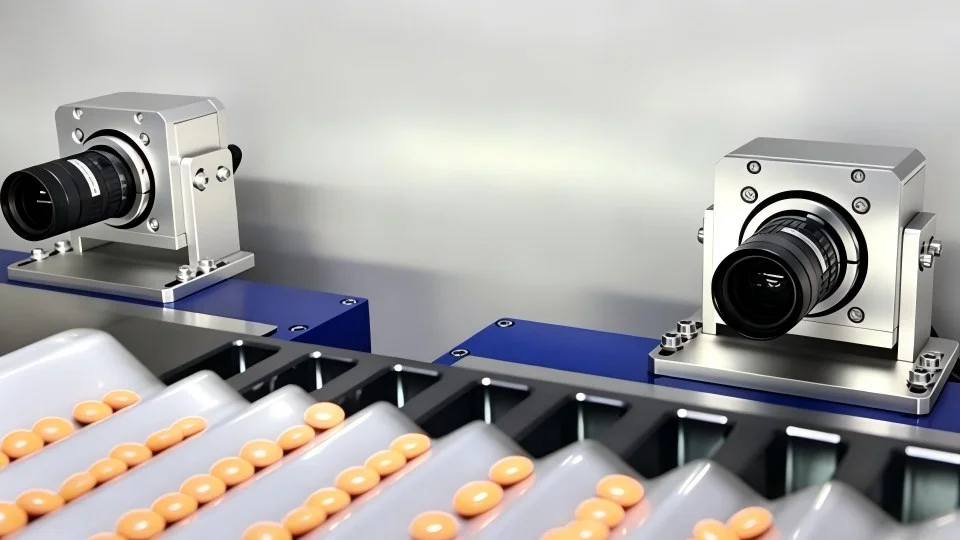
A: Smart industrial cameras can easily inspect moving products on conveyor belts, that allow vision software to detect defects, with verifying dimensions, code reads, and check product qualities.



 Call
 Whatsapp
 Shop Online